-
- Flaxseeds
- Castor Seeds
- Chia seeds
- Hemp Seeds
- Pumpkin Seeds
- Sesame Seeds
- Sunflower Seeds
- Onion Seeds
- Barley Grains
- Soybean Seeds
- Wheat Bran
- Rice Bran
- Corn Bran
- Kidney Beans
- Wheat Flour
- Rice Flour
- Corn Flour
- Almond Flour
- Potato Starch
- Corn Starch
- Tropicana Starch
- Animal Feed
- Soybean Meal
- Cornmeal
- Meat and Bone Meal
- Fish Meal
- Palm Kernel Cake
- Sunflower Meal
- Home
- Margarine Butter
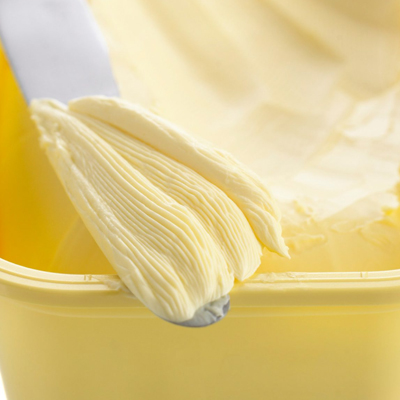
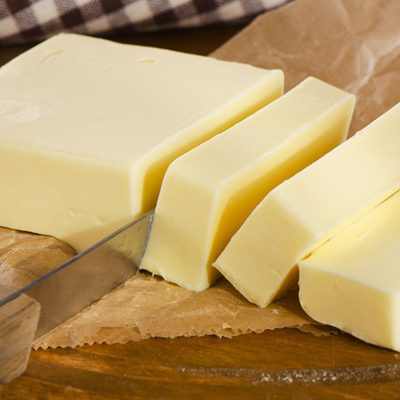
Margarine fat (or "shortening"), sometimes referred to as "oils", and sometimes as "fats" in some countries, is fat or semi-solid form of vegetable oils (typically liquid and solid oils). It is made by hydrogenating vegetable oils. The hydrogenation process involves the use of a catalyst, typically nickel, to convert vegetable oil into a solid-state with a very low melting point. In some European countries, margarine is called "butter", and has a higher saturated fat content than butter.
Margarine is a common source of trans fat in the diet. Trans fat is formed during the process of hydrogenation when hydrogen is added to vegetable oil to make it solid at room temperature. Trans fat raises LDL ("bad") cholesterol levels and lowers HDL ("good") cholesterol levels, which can increase the risk of heart disease.
Most margarine today is made from vegetable oils that have been partially or fully hydrogenated. Partially hydrogenated oils are still liquid at room temperature, while fully hydrogenated oils are solid. The amount of trans fat in margarine depends on how much the oil has been hydrogenated.
Margarine that contains no trans fat may be made from a blend of plant-based oils, such as olive oil or canola oil, and water. This type of margarine is sometimes called "liquid margarine" or "spreadable margarine."